Redrick Hides the Porcelain Container and Arranges to Surrender
Roadside PicnicRedrick Hides the Porcelain Container and Arranges to Surrender is the turning point at which Redrick Schuhart hides the porcelain container and decides to give himself up. With the container’s lethal contents still in his hands, he places it beneath a phone booth, tells Guta that he has been caught again, and makes a final appeal to Throaty to look after his wife. The act does not erase his involvement in the Zone’s contraband economy; instead, Redrick tries to separate the dangerous object from the people he is leaving exposed to its consequences.
The Container and the Decision
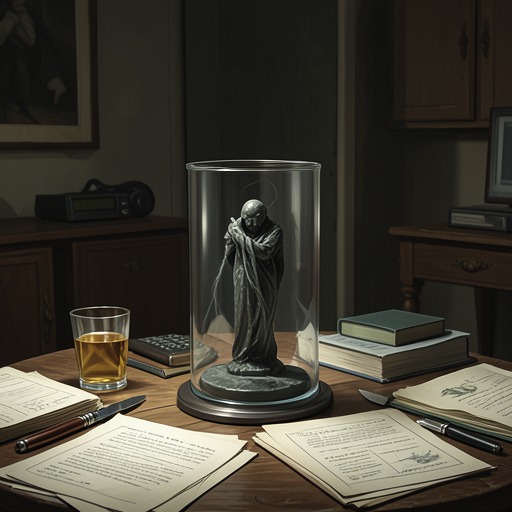
Redrick’s hiding place is already prepared and in order. The box of bullets, a bag containing bracelets, and an old wallet with fake documents are there; these objects establish the booth as part of a wider effort to conceal and manage the proceeds and risks of his life as a stalker. But the porcelain container is different from the other hidden things. He takes off his jacket and cap, feels inside his shirt, and weighs the container in his hand, acutely aware of the death it holds. As he does so, his nervous tic returns: the object’s danger is registered not as an abstract fact but as a physical strain.
Alone among gloomy, boarded-up houses, with tumbleweed rolling around the lot, Redrick makes his decision. He says that each man is on his own and that only God looks after everybody, then declares that he has had enough. The words mark a break with the self-reliance that has sustained him, but the decision is not a clean escape. He must still conceal the container, account for his arrest, and entrust Guta’s immediate welfare to other people.
Concealment Beneath the Booth
Afraid that hesitation might undo his resolve, Redrick acts quickly. He stuffs the porcelain container into his cap, wraps the cap in his jacket, and kneels beside the phone booth. The booth shifts when he leans against it. He places the bulky package beneath it, tests the booth’s stability by shaking it, then stands and brushes off his hands. The careful sequence makes concealment both physical and deliberate: the container is not abandoned carelessly but hidden in a specific place and secured against discovery by an ordinary disturbance.
After checking the hiding place, Redrick settles the decision aloud and enters the hot phone booth. He deposits a coin and dials. That movement makes the booth serve two opposing purposes at once: it conceals the object he will not carry with him and provides the instrument through which he begins arranging the consequences of surrender. The container remains hidden while Redrick turns toward the law and toward the people who will have to manage his absence.
The Calls to Guta and Throaty
Redrick first calls Guta and tells her not to worry: he has been caught again. When he hears her shuddering sigh, he quickly softens the news by describing the offense as minor and saying that the likely sentence will be six to—before the available passage cuts off. Her reaction gives the call an intimate stake beyond the practical business of his arrest. Redrick’s haste to reassure her contrasts with the much harder terms he uses in his next call, where he spells out what could happen if he is imprisoned.
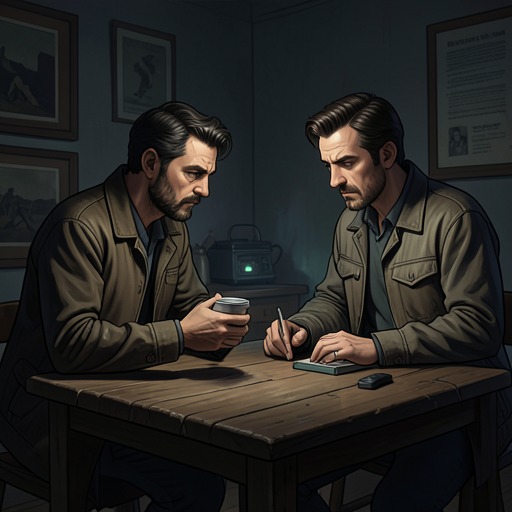
He calls Throaty and insists that the man listen without interrupting. When Throaty initially asks who is speaking, Redrick identifies himself as Schuhart and says that he has been caught, escaped, and is now going to turn himself in. He estimates a sentence of two and a half or three years and warns that his wife will be penniless. He asks Throaty to take care of her so that she needs nothing. This request makes the call more than a confession or a disposal arrangement: Redrick places Guta’s material security in the hands of a man associated with his dealings in the black market.
The Hidden Offer and the Walk Away
Redrick tells Throaty exactly where to find the container: beneath the only phone booth near the place where they first met. The directions are precise enough to identify the hiding spot, but the offer itself is conditional. Throaty may take the porcelain if he wants it, or leave it if he does not; whatever he decides, Redrick insists, Guta must be looked after. He does not bargain over the object’s price or demand that Throaty keep it. Instead, he attaches his request for his wife’s care to the opportunity to claim the dangerous contraband.
Asked whether he wants a lawyer, Redrick refuses and says that every last cent should go to his wife. He offers his regards, hangs up, puts his hands in his pockets, and walks slowly up Miner Street between empty, bearded-up houses. The ending is quiet but decisive: the container has been left behind, the practical arrangements have been made, and Redrick walks toward surrender without a lawyer or money set aside for himself. The movement from weighing the container to leaving the booth area on foot gives the episode its central contrast. He cannot undo the danger he has handled, but he can choose what he tries to protect before turning himself in.